San Antonio, TX
Mold Remediation (Licensed) in San Antonio, TX
Texas licenses mold work, so the call is a referral to a contractor holding a TDLR mold remediation license. Check that license yourself before work starts.
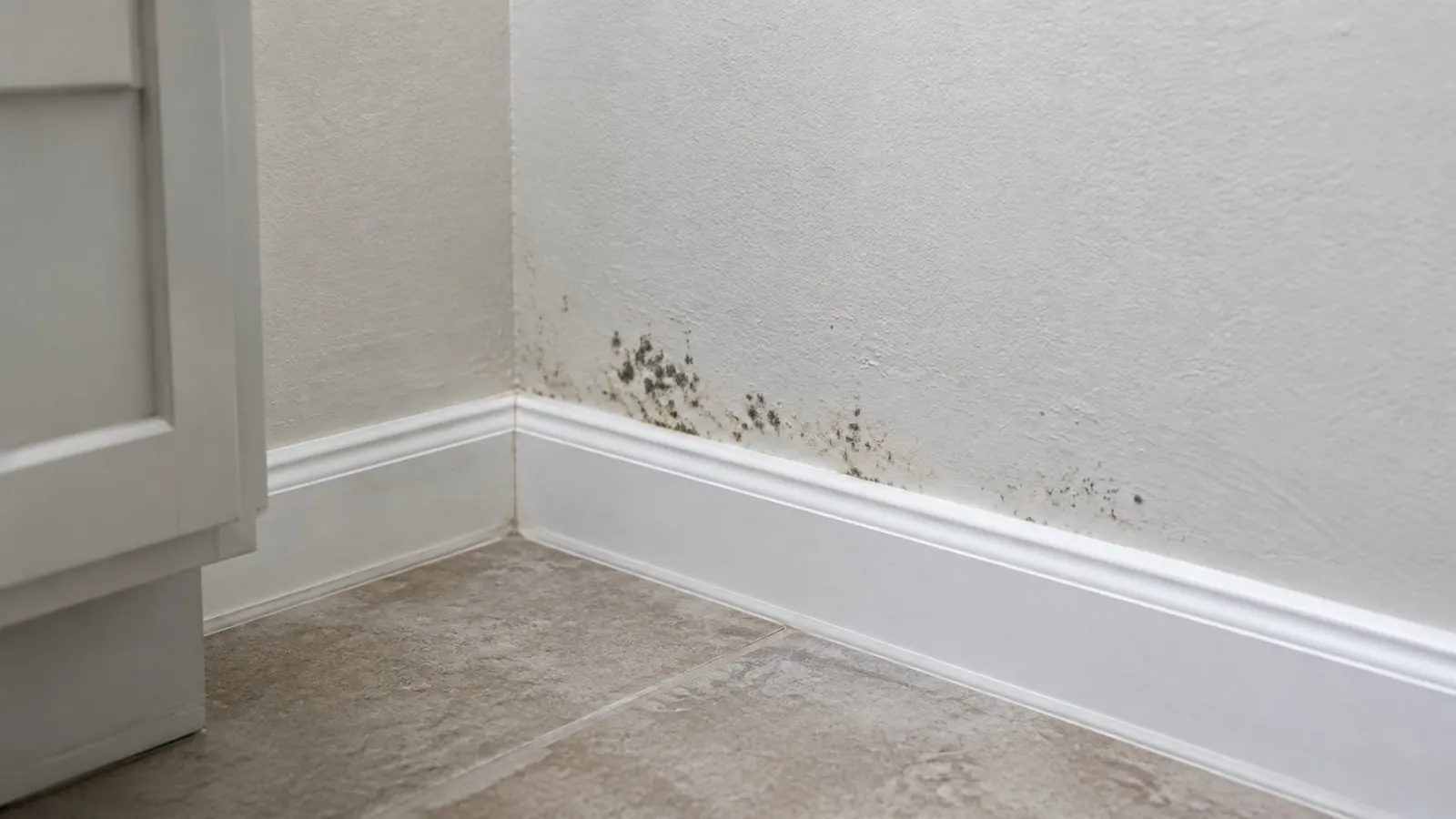
How mold work is regulated in Texas
Under Texas Occupations Code chapter 1958, nobody may perform mold assessment or mold remediation for others without the matching license from the Texas Department of Licensing and Regulation (chapter 1958; rules in 16 TAC chapter 78). There are exemptions, for example remediation of less than 25 contiguous square feet and owners working on their own homes, but TDLR says the small-area exemption applies only to people who are not licensed (TDLR FAQ).
The law also keeps testing and removal apart: one license holder may not do both the assessment and the remediation on the same project. On a regulated job, a licensed assessment consultant writes the protocol and a separate licensed remediation contractor does the removal. When it is finished, the remediator issues a Certificate of Mold Damage Remediation, which the property owner should keep.
Checklist
Before you agree to mold work
Look up the license
Search the contractor and the company on TDLR license search. Mold remediation companies, contractors and workers are listed there.
Ask who assesses
On a regulated project, the assessment and the removal should come from different license holders.
Fix the water first
Mold returns if the leak or humidity behind it stays. Ask what source the plan addresses.
Ask about containment
Plastic barriers and filtered air keep spores from spreading to the rest of the house during removal.
Keep the certificate
A Certificate of Mold Damage Remediation is useful when you sell or insure the home.
Small spots
The EPA says a moldy area under about 10 square feet is usually something a homeowner can clean (EPA guide).
Questions
Mold Remediation (Licensed), answered
Does this site do mold remediation?
No. It is a referral line. The call is passed to an independent contractor, and Texas law requires that contractor to hold a TDLR mold remediation license for regulated work. Verify the license before you hire.
Does insurance pay for mold removal?
The Texas Department of Insurance says mold on an item damaged by a covered loss can be covered, but most policies don't include mold cleanup and testing unless you added that coverage (TDI).
How fast does mold grow after a leak?
Quickly enough that the EPA sets a one-to-two-day target: it asks homeowners to get wet materials dry within 24 to 48 hours of the leak (EPA).
Services
Other kinds of damage
- Water Damage RestorationAny leak that soaked floors, walls or cabinets: water out, structure dried, materials replaced.
- Water Extraction & Structural DryingStanding water pulled out, then air movers and dehumidifiers until the readings say dry.
- Burst & Frozen PipesA pipe split in a freeze or a fitting let go: stop the water, then dry the wall cavities and floors.
- Flash Flood & Flooded Home CleanupRising water came in under doors: muddy floors, wet drywall and contaminated contents.
- Sewage Backup CleanupToilets or tubs backing up: contaminated water removed, surfaces sanitized, wet materials replaced.
- Storm & Roof Leak Water DamageStains spreading on the ceiling or wet attic insulation after a storm.
- Water Heater & Appliance LeaksWater heater, washer, dishwasher, fridge line or AC drain: find the wet areas and dry them.
- Fire & Smoke DamageSoot, smoke odor and the water used to put the fire out.
Leak, flood, smoke or mold
Talk it through with a San Antonio restoration contractor
Say where the water came from, which rooms it reached and roughly when it started. The contractor on the line can tell you what an inspection would look at and what they charge for it.
Water where it shouldn't be? Make one call.
The call goes to an independent restoration contractor that takes work in your part of Bexar County or the nearby suburbs.
Call (210) 750-1322Calls may be recorded for quality. How the line is paid: referral disclosure. What is kept: privacy.